

OpenAI Sketches New Terms For Work
OpenAI has set out a policy vision for an economy reshaped by advanced artificial intelligence, combining market-oriented growth with proposals aimed at distributing gains more broadly across society. The framework is presented at a moment of growing concern over how AI could alter employment, public finances and the concentration of economic...

Open Source Breach Exposes Trust Weaknesses
A brief compromise of one of the web’s most widely used open-source projects has exposed how deeply software security can depend on personal trust as...
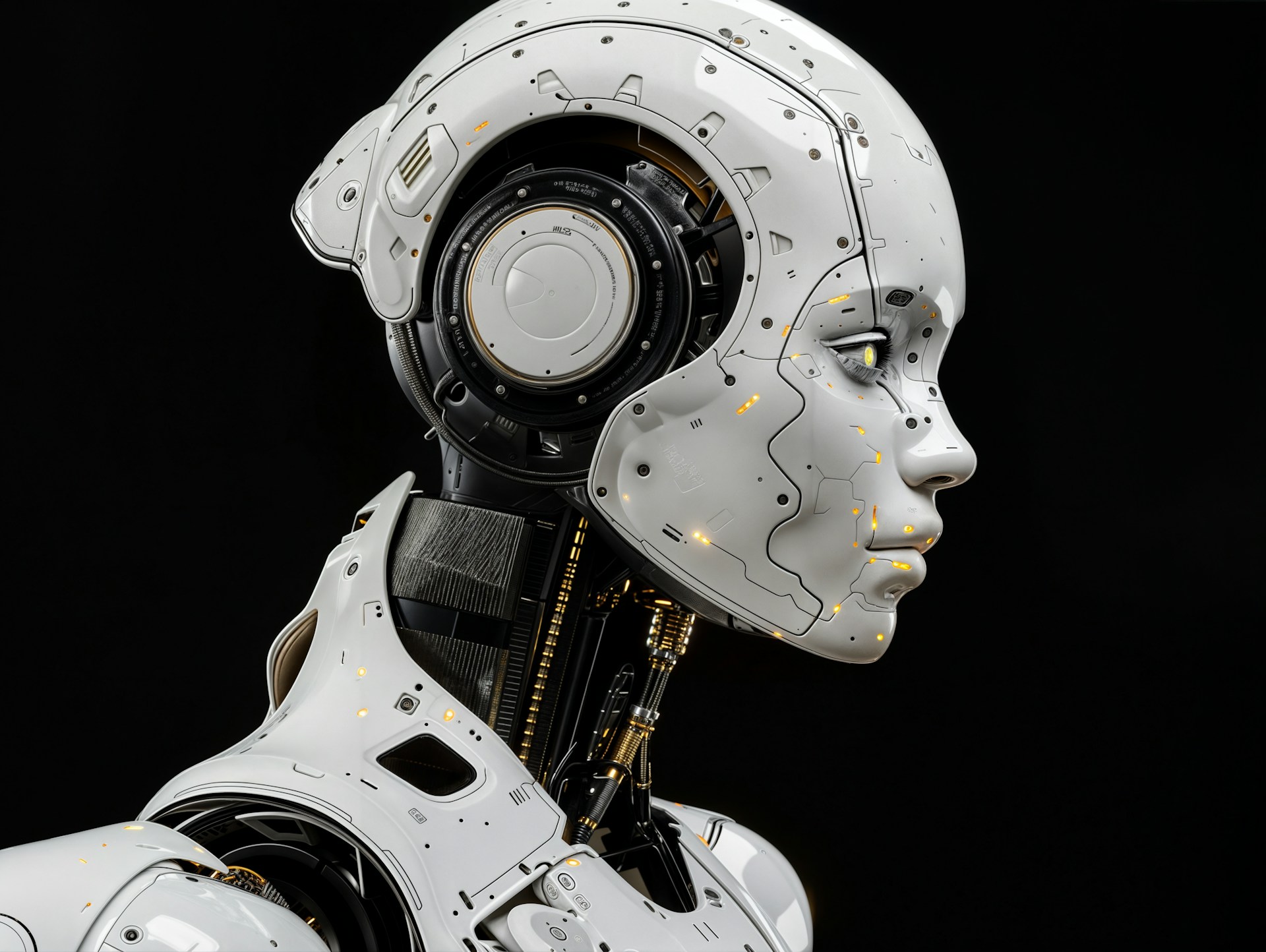
Europe Pushes Ahead in Humanoid Robotics
Europe has faced challenges in the global tech race, particularly lagging behind China in the electric vehicle market and struggling to catch up in...
More Perspectives

Millennium Technology Prize Recognizes Lasting Tech Impact
The Millennium Technology Prize, awarded by Technology Academy Finland, is one of the most prestigious recognitions for technological innovations...

Chinese Tech Firms Turn to Hong Kong for Global Expansion
Mainland Chinese technology companies are increasingly establishing operations in Hong Kong as they seek to navigate geopolitical tensions and expand...

AI Adoption Rises Despite Deepening Trust Deficit
Artificial intelligence usage is accelerating across the United States, yet public confidence in the technology continues to lag behind its growing...

Regulators Reconsider Tech’s Cognitive Trade-Offs
Governments are coming under growing pressure to treat digital platforms and AI tools as a developmental policy issue rather than a narrow technology...

Helium crunch hits global tech production
A tightening supply of helium linked to the Middle East conflict is beginning to disrupt parts of the global technology supply chain, exposing how...

Nvidia accelerates race for autonomous future
Nvidia is expanding its presence in autonomous vehicle technology through new partnerships with global automakers, signalling a broader push to...

Britain bets big on future technologies
The UK government has committed £2.5bn to artificial intelligence and quantum computing, as part of a strategy aimed at strengthening domestic...

European Firms Challenge EU Tech Independence Push
European companies are warning policymakers in Brussels that efforts to reduce dependence on American technology providers could create operational...

More Perspectives

Ford launches AI assistant for fleets
Ford has introduced a new artificial intelligence assistant designed to help commercial fleet operators analyse vehicle data and improve operational...

Agentic AI tests limits of property automation
Agentic artificial intelligence is beginning to reshape operational workflows across the real estate sector, offering substantial efficiency gains in...

US Expands Air Taxi Test Programme
US regulators have approved a nationwide pilot programme to accelerate testing of electric air taxis and next-generation aircraft, marking a...

Pentagon AI Dispute Raises Startup Concerns
A dispute involving artificial intelligence companies and the US Department of Defense is drawing attention across the technology sector, prompting...

BYD Pushes Fast Charging Into Global Debate
BYD has introduced a new battery system that could sharpen global competition over electric vehicle charging standards, though the technology comes...

UK Funds Space And AI Farming Innovation
The United Kingdom government has awarded funding to seven technology companies developing space and artificial intelligence tools designed to...

China Advances New Strategy For Global Technology
China is preparing to outline a new phase of its technological strategy as policymakers gather in Beijing for the annual “Two Sessions” meetings,...

Origami Engineering Spurs Industrial Innovation
Engineers are translating the principles of origami and kirigami into commercial technologies, as advances in mathematical modelling and materials...

More Perspectives

Nvidia Commits $2bn To Optical Expansion
Nvidia has agreed a $2bn investment in Lumentum Holdings as part of a long-term strategic partnership to advance optical interconnect technology for...

Is Friction The Antidote To AI?
A growing behavioural trend is prompting users and experts alike to reconsider how technology shapes attention and cognitive engagement in an era of...

Japan’s Tech Model Confronts Global Reassessment
Japan’s position within the global technology hierarchy is undergoing renewed scrutiny as questions emerge over the nature and visibility of its...

RAMpocalypse Signals AI’s Hardware Reckoning
The global technology sector is confronting a new inflection point as artificial intelligence devours memory supply at a pace few anticipated,...

Lamborghini Pauses Electric Supercar Strategy
Lamborghini has shelved plans to launch its first fully electric supercar, signalling a strategic recalibration in response to muted demand among...

Big Tech to Sign White House AI Power Pledge
Major technology companies are set to commit to financing and securing their own power supplies for artificial intelligence data centres, following...

US Digital Portal Sparks EU Tech Policy Clash
The United States is developing an online portal that could intensify tensions with the European Union over digital speech rules, highlighting...

China Accelerates Global Brain Interface Race
China’s brain-computer interface sector is shifting from laboratory research to early-stage commercialisation, as coordinated policy support,...