
Alibaba Expands AI Strategy Into Robotics
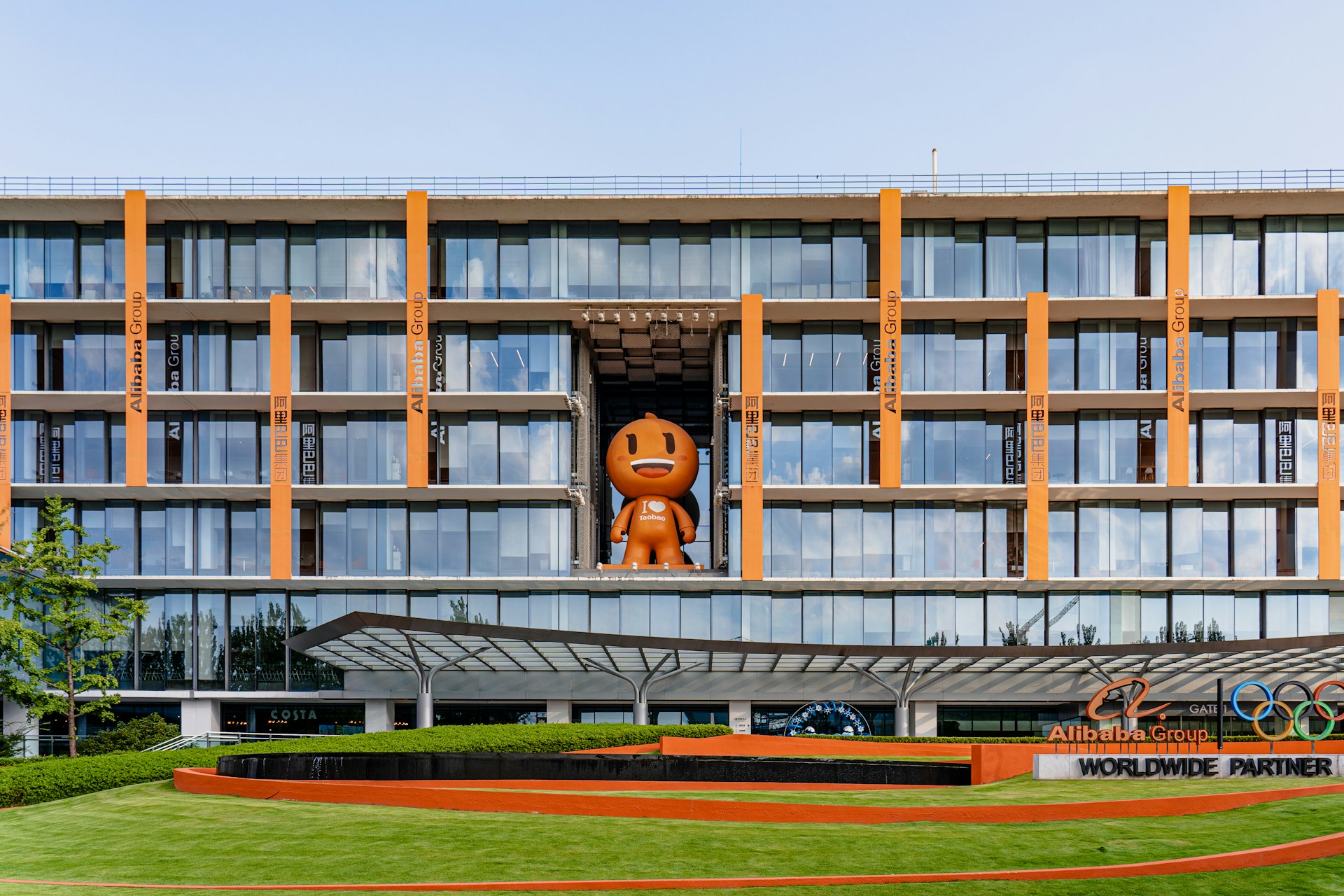
Alibaba has unveiled its first suite of artificial intelligence models designed specifically for robots, marking a significant expansion of its AI ambitions beyond chatbots and digital assistants. The launch reflects a broader shift within China’s technology sector towards agent-based systems capable of executing complex tasks and enabling machines to interact more effectively with the physical world.
The new release positions Alibaba at the centre of the rapidly developing embodied AI market, where technology companies are seeking to combine advanced language models with robotics applications. Unlike traditional chatbot systems focused primarily on conversation, the company’s latest models are intended to enhance machine intelligence and support autonomous decision-making in physical environments. The initiative aligns with growing industry interest in AI agents that can perform actions, process real-world information and execute tasks with reduced human intervention.
The development builds on Alibaba’s wider investment in the Qwen family of AI models and its strategy of expanding artificial intelligence capabilities across multiple commercial applications. Earlier releases focused on agentic AI systems capable of independently carrying out complex digital tasks, while the company has also increased investment in AI infrastructure and model development. The latest robotics-focused launch extends that strategy into physical AI, an area attracting growing attention from technology groups seeking new avenues for AI commercialisation.
Alibaba’s move comes amid intensifying competition among Chinese technology companies to establish leadership in next-generation AI platforms. As the market evolves, emphasis is increasingly shifting from model performance alone towards practical deployment in enterprise, industrial and robotics environments. The company’s robotics initiative highlights how AI development is progressing beyond software interfaces and towards systems designed to operate directly within real-world settings.
The announcement also underscores a broader industry transition towards physical AI and autonomous agents. While chatbot adoption remains an important part of the AI ecosystem, the commercial potential of systems capable of understanding, navigating and interacting with their surroundings is emerging as a new competitive frontier. How effectively these models can be integrated into practical robotics applications remains a central question as technology companies seek to translate advances in AI research into scalable real-world deployment.