
Deloitte Forecasts $566bn Lunar Economy
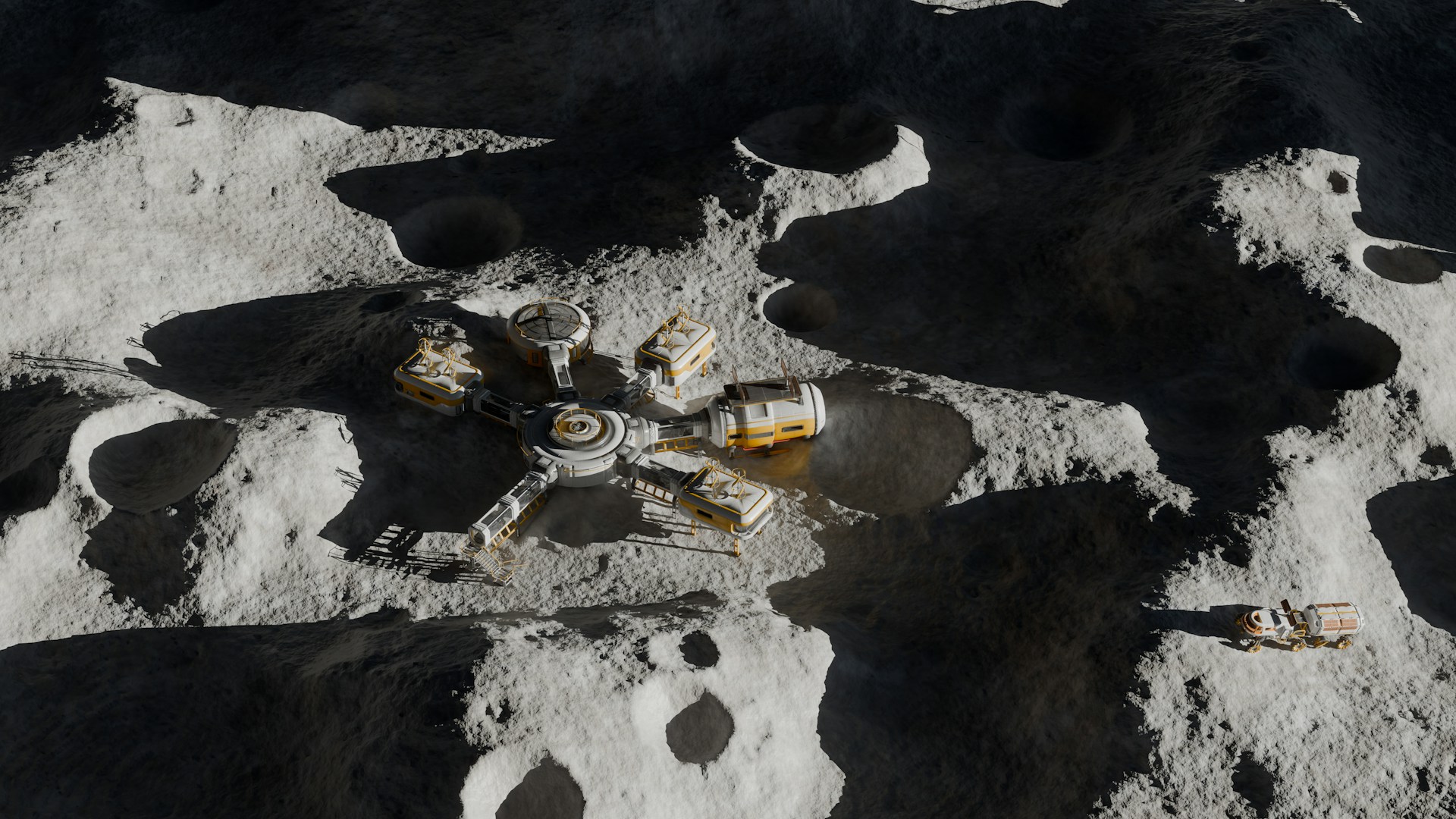
Deloitte has estimated that the emerging lunar economy could generate between $343 billion and $566 billion in value by 2050, as space activity moves beyond government missions into commercial infrastructure, energy and technology services.
The forecast reflects a widening view of the moon as an economic platform rather than a distant exploration target. Deloitte’s report points to transport, power, communications, surface mobility and life-support systems as the foundations required before larger commercial activity can develop. In its most ambitious scenario, wider ripple effects could lift the opportunity above $1.1 trillion.
SpaceX is helping accelerate that shift. Elon Musk has spoken about building factories on the moon, while the company’s broader rocket capacity ambitions could shorten the timeline for lunar transport and commercial access. The economics remain uncertain, but cheaper and more frequent launch capability is central to any credible lunar market.
The opportunity is also drawing non-traditional participants. Prada has contributed textiles expertise to spacesuit design, while Oakley has developed visor technology for astronauts. Their involvement shows how the space economy is no longer limited to aerospace contractors, defence groups and government agencies.
Still, the barriers remain high. Deloitte’s more bullish scenarios depend on difficult technologies, including rocket fuel produced from lunar water ice, helium-3 extraction and AI data centres orbiting the moon. These remain long-term bets rather than near-term certainties.
For global technology companies, the lunar economy is becoming a test of patience, capital and infrastructure vision. The moon may not yet be a market in the ordinary sense, but it is increasingly being treated as the next frontier for industrial strategy.