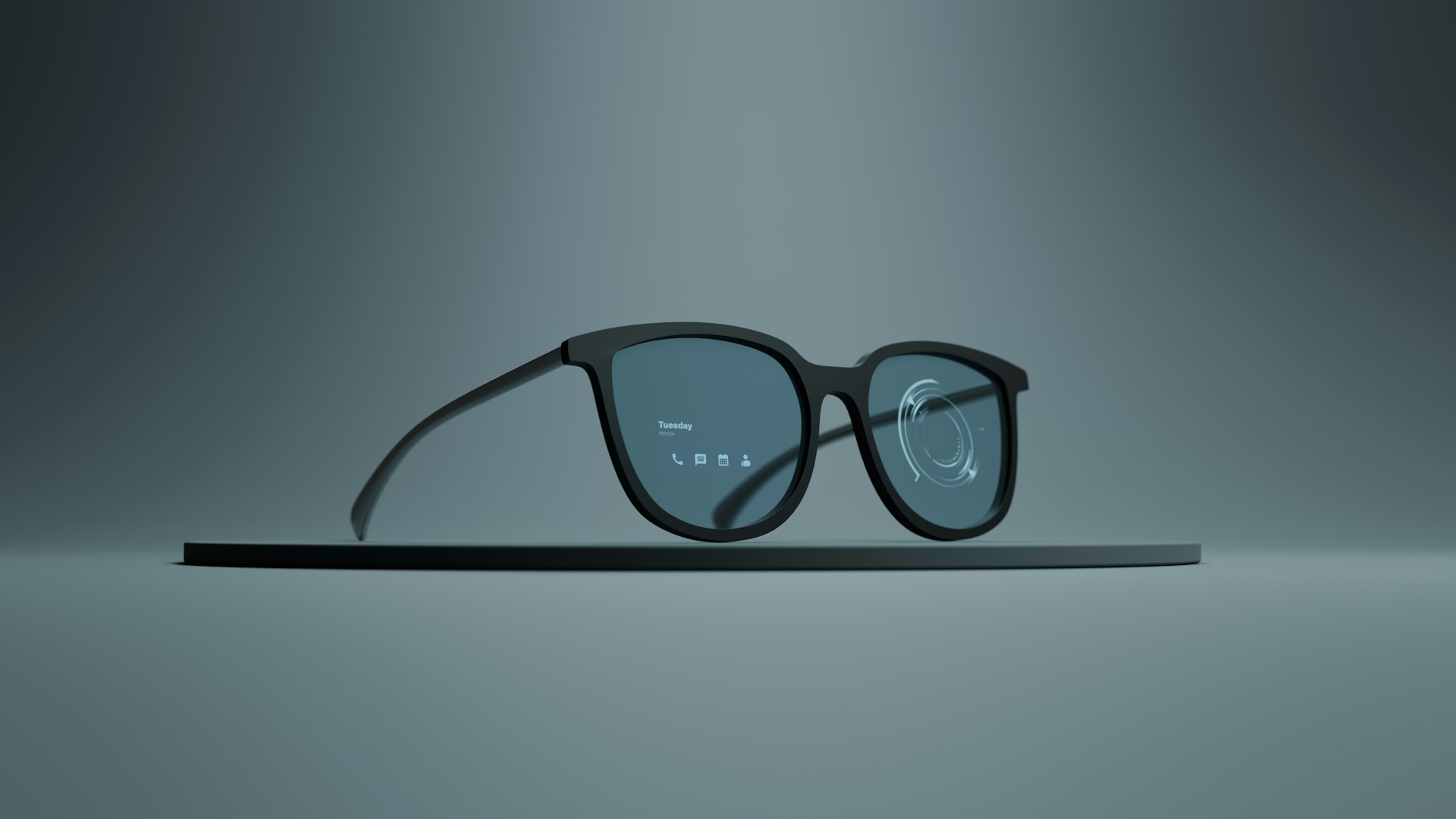
Google has set out plans to re-enter the smart glasses market in 2026 with a new generation of artificial intelligence-powered devices, more than a decade after its first high-profile attempt faltered. The renewed push signals a shift in both timing and technology, as advances in AI and wearables reshape expectations of what connected eyewear can deliver.
The company intends to launch two distinct models. One is designed to provide AI assistance without any visible screen, while the other will include a built-in display within the lenses. Both versions will allow users to interact directly with Google’s own AI systems, including its Gemini chatbot. While technical specifications remain limited, the emphasis appears to be on a cleaner, more conventional design than earlier iterations.
Google’s original entry into the market with Google Glass in 2013 generated intense interest but quickly became a cautionary tale. The device featured a prominent camera and digital display positioned above the right eye, raising concerns over privacy, social acceptability and everyday usefulness. Despite initial excitement, the product was withdrawn from the consumer market within two years. A later enterprise-focused version survived until 2023 before being retired.
The renewed effort comes into a market that has changed significantly. Meta has already found commercial traction with its own AI-powered glasses, developed in partnership with established eyewear brands, and has reported the sale of two million units. Industry data shows that global sales of AI glasses surged by more than 250% in the first half of 2025, driven largely by this momentum and similar launches by smaller manufacturers.
Analysts argue that Google now faces a fundamentally different environment from the one that greeted its first attempt. Hardware is more compact, software more capable and consumer familiarity with AI far broader. At the same time, competition is more intense, and expectations around usability, design and integration are higher than before. Privacy remains a central concern, particularly as always-on cameras and real-time AI assistance become more sophisticated.
The company’s return to a market it once abandoned highlights how quickly technological context can shift. What was once dismissed as premature is now being revisited under very different conditions, yet the fundamental questions around surveillance, social norms and human–machine interaction remain unsettled as smart glasses edge back into public view.