Lamborghini has shelved plans to launch its first fully electric supercar, signalling a strategic recalibration in response to muted demand among luxury performance buyers.
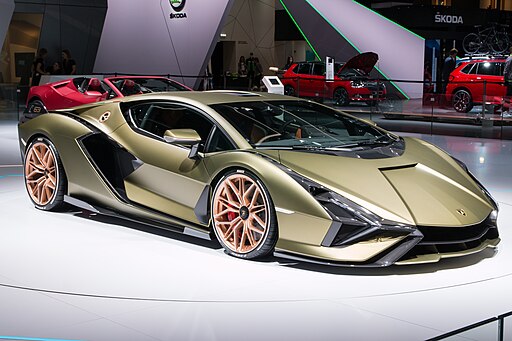
The Italian manufacturer confirmed that the Lanzador, unveiled as a concept in 2023 and previously positioned as a cornerstone of its electrification roadmap, will not proceed to production. In an interview with The Sunday Times, chief executive Stephan Winkelmann said the model would instead be replaced by a plug-in hybrid vehicle, with the company committing to a fully hybridised line-up by the end of the decade.
Winkelmann indicated that customer acceptance of battery-electric Lamborghinis in the brand’s target segment remains “close to zero”. He cautioned that investing heavily in full electric development without corresponding demand would be financially irresponsible towards shareholders, customers and employees. According to the chief executive, the marque’s clientele continues to prioritise the sensory and emotional qualities associated with internal combustion engines, which current electric drivetrains struggle to replicate.
The pivot towards plug-in hybrids reflects what Lamborghini views as a technological compromise between regulatory pressures and brand identity. Its existing range, including the Revuelto, Urus and Temerario, has already adopted hybrid systems. Winkelmann described plug-in hybrids as combining electric agility and low-rev boost with the emotional appeal and power output of combustion engines, adding that traditional engines would remain in production for as long as possible.
The decision follows record deliveries of 10,747 vehicles in 2025, driven by hybrid sales. Europe and the Middle East remain Lamborghini’s largest markets, although performance in the Americas has softened. As a small manufacturer, the company benefits from emissions exemptions until 2035 and is expected to seek renewal, even as the EU moves towards a 2035 phase-out of new combustion-engine cars and the UK maintains a 2030 ban timeline for most petrol and diesel models.
Winkelmann stopped short of ruling out a future electric model, stating that any such move would depend on market readiness. For now, the company’s global technology strategy centres on plug-in hybrids rather than a full-electric transition.