
Meta Reframes Smart Glasses Privacy Strategy
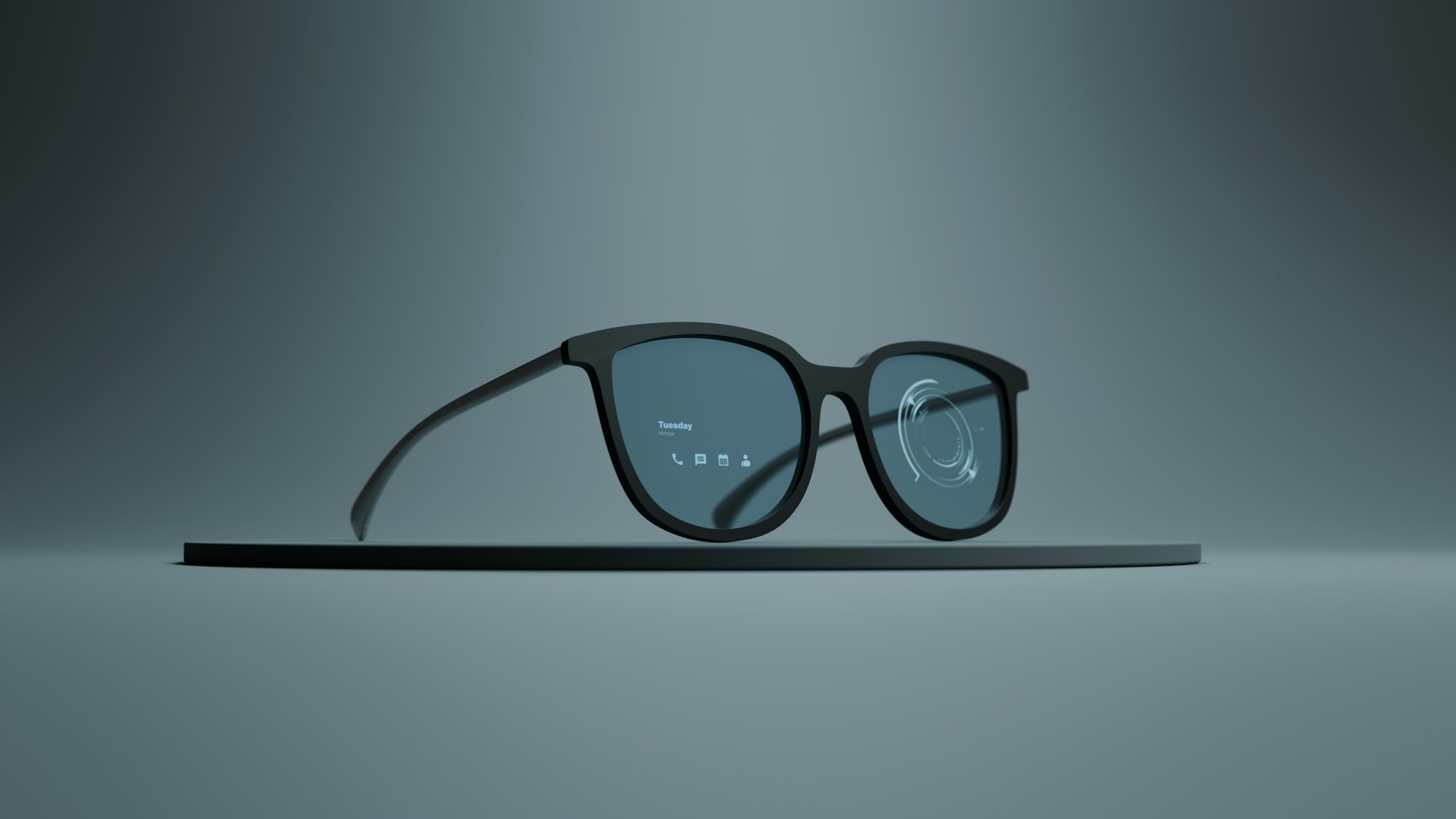
Meta is preparing to expand its smart-glasses line at a moment when the category’s strongest selling point is also becoming its biggest liability. Camera-equipped eyewear has helped make the company an early leader in AI wearables, but growing concerns over covert recording are now influencing how the next generation is being designed.
At Meta Connect, the company is expected to introduce two camera-free styles, Clubmaster and Burbank, alongside an updated Ray-Ban model and a lighter augmented-reality device reportedly code-named Phoenix. The broader range suggests Meta is no longer betting on a single form factor as it tries to push smart glasses towards mainstream use.
Commercial momentum is already substantial. Meta’s glasses, developed with EssilorLuxottica, sold more than seven million units last year and hold about 76 per cent of the global market. EssilorLuxottica has since reported further acceleration in 2026, giving Meta a sizeable lead over rivals including Xiaomi and RayNeo.
Success has also intensified scrutiny. UK venues have restricted camera-enabled glasses, France has opened investigations into alleged misuse, and Australia is considering limits in government workplaces. Meta is also contesting a proposed California class action alleging misleading privacy protections and human review of uploaded footage.
Removing the camera may answer the most visible concern, but it creates a product challenge. Without visual capture or a display, voice interaction must provide enough utility to justify wearing the device rather than using earbuds.
That question matters as Samsung, Snap and smaller specialists prepare competing products. Meta has proved that smart glasses can attract consumers. The next stage will test whether the category can scale without making privacy concerns part of the experience.