
Nvidia accelerates race for autonomous future
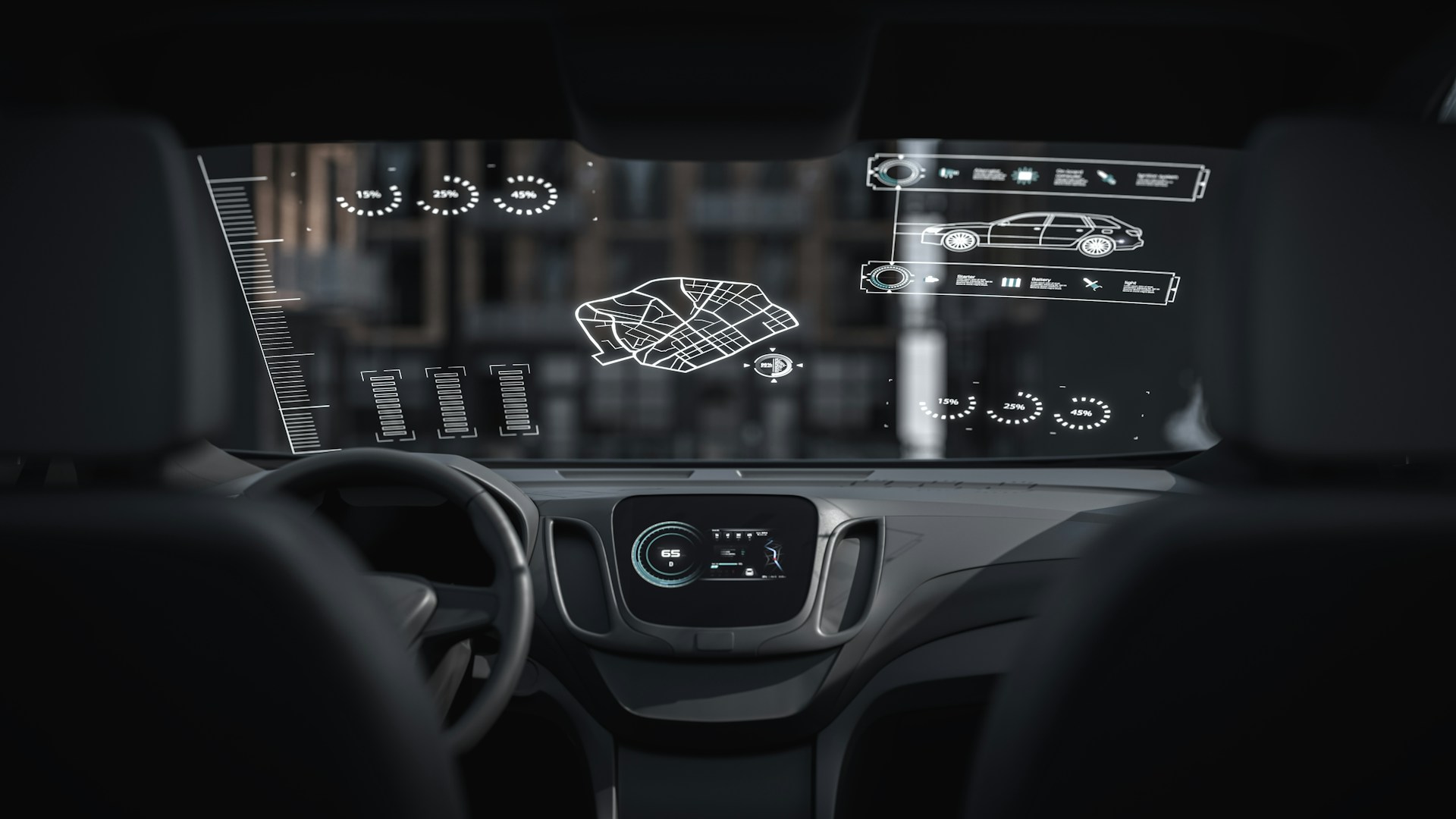
Nvidia is expanding its presence in autonomous vehicle technology through new partnerships with global automakers, signalling a broader push to diversify growth beyond its core artificial intelligence business.
The company announced agreements with Hyundai, Nissan, Isuzu and Chinese manufacturers BYD and Geely to adopt its Drive Hyperion platform. The system enables the development of advanced driver-assistance and Level 4 autonomous capabilities, allowing vehicles to operate without human intervention under defined conditions. These additions extend Nvidia’s network of automotive collaborations as it strengthens its position in the evolving mobility technology ecosystem.
Chief executive Jensen Huang described the moment as a turning point for self-driving technology, noting that the feasibility of autonomous driving has now been demonstrated at scale. The platform forms part of Nvidia’s integrated approach, combining data centre training, simulation and in-vehicle computing to support the full lifecycle of autonomous systems. While the company does not manufacture vehicles, it supplies the computational backbone required for their operation.
Autonomous vehicles represent a key growth avenue as Nvidia seeks to build on its leadership in artificial intelligence. Industry analysts and automotive executives continue to view the sector as a significant long-term opportunity, with expectations that AI-driven capabilities will accelerate adoption. Existing customers for Nvidia’s platform include a mix of self-driving developers and consumer-facing mobility companies, reflecting a broadening application of the technology.
Despite this momentum, the sector remains in a transitional phase. Fully autonomous vehicles are not yet widely available for consumer use, with most current models requiring continuous driver supervision. Some operators have begun deploying higher levels of autonomy in controlled environments, but broader commercial rollout remains gradual.
The expansion of partnerships underscores continued investment across the industry following earlier setbacks, highlighting both the scale of opportunity and the technical and regulatory complexities that still shape the path to widespread adoption.