
Nvidia Commits $2bn To Optical Expansion
Nvidia has agreed a $2bn investment in Lumentum Holdings as part of a long-term strategic partnership to advance optical interconnect technology for next-generation artificial intelligence data centres.
The agreement includes a multibillion-dollar purchase commitment for advanced laser components and secures Nvidia future access to Lumentum’s production capacity under a non-exclusive arrangement. The capital injection will fund research and development, expand manufacturing capacity and support construction of a new US-based fabrication facility. Lumentum said the investment would strengthen domestic production of critical optical components used in AI infrastructure.
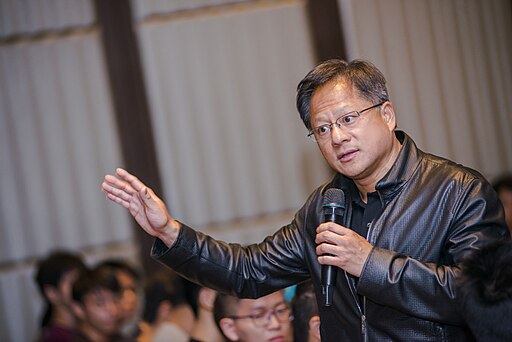
The collaboration centres on silicon photonics and optical interconnects, technologies designed to address the growing performance demands of large-scale AI systems. As workloads increase, data centres require faster and more energy-efficient data transfer between chips and servers. Optical components are positioned as a means to improve speed, reduce power consumption and enhance reliability across extensive AI networks. Jensen Huang, Nvidia’s founder and chief executive, described AI as driving the largest computing infrastructure buildout in history and said the partnership would advance sophisticated silicon photonics for gigawatt-scale AI factories.
Lumentum, led by chief executive Michael Hurlston and headquartered in San Jose, develops optical and photonic technologies used in AI, cloud computing and communications networks. The company operates research, manufacturing and sales facilities globally. Hurlston said the multiyear agreement reflected a shared commitment to advancing optics technologies underpinning next-generation AI infrastructure and confirmed parallel investment in a new fabrication facility to accelerate innovation and increase capacity.
The move forms part of Nvidia’s broader strategy to reinforce the hardware ecosystem supporting AI systems, including networking and connectivity. By committing capital and securing long-term supply, Nvidia is seeking to position itself to meet expanding global demand for AI-powered data centres, while anchoring critical components within an enlarged domestic manufacturing base.