
Pentagon AI Dispute Raises Startup Concerns
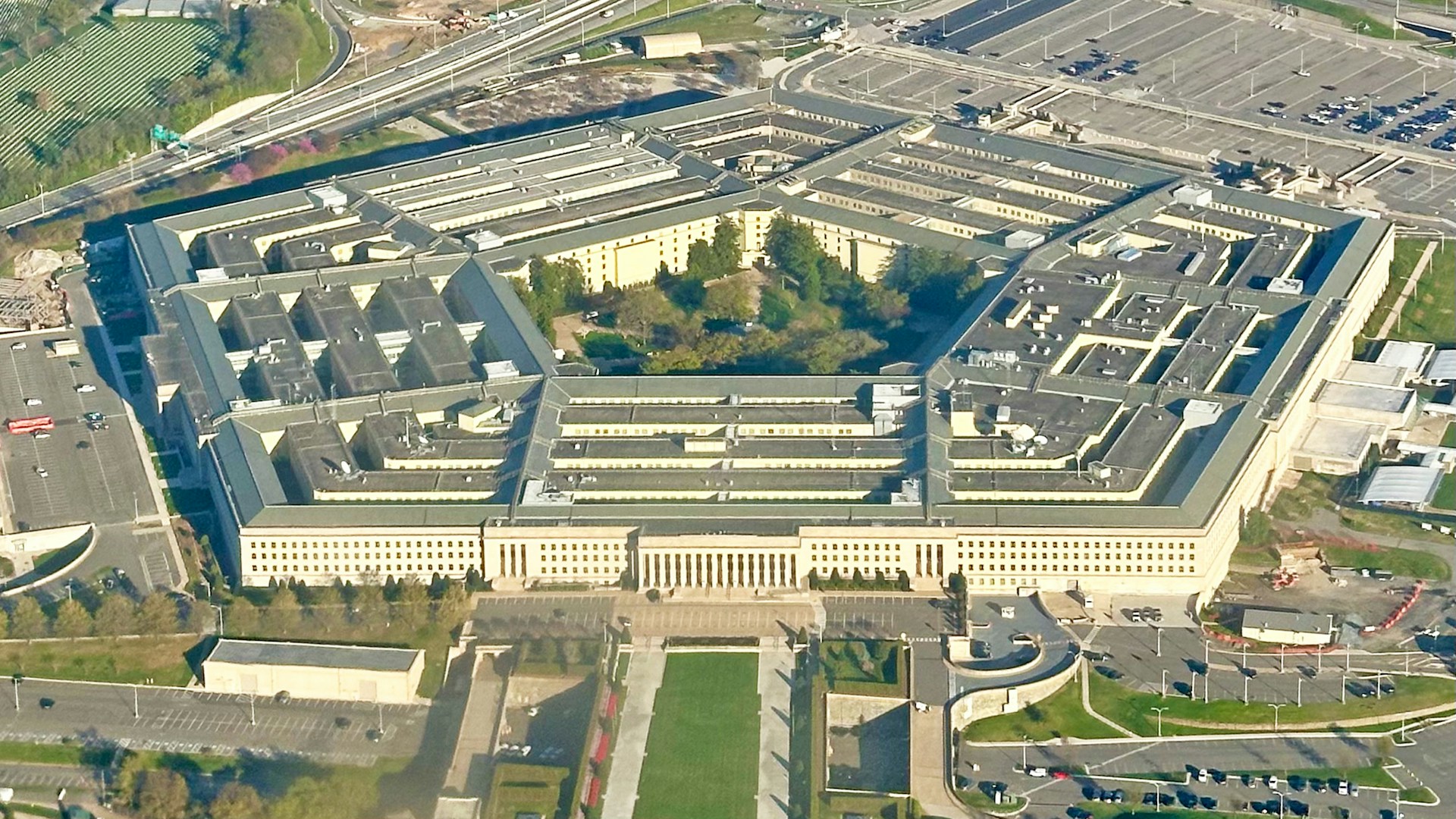
A dispute involving artificial intelligence companies and the US Department of Defense is drawing attention across the technology sector, prompting debate over whether closer government partnerships could pose reputational or contractual risks for startups working in advanced technologies.
Tensions escalated after negotiations over the Pentagon’s use of Anthropic’s Claude technology collapsed. The US administration subsequently designated Anthropic a supply chain risk, a decision the company said it would challenge in court. Shortly afterwards, OpenAI announced its own agreement with the Department of Defense, a move that triggered public backlash and coincided with a surge in users uninstalling ChatGPT while Anthropic’s Claude rose to the top of the App Store rankings.
Industry observers say the episode reflects the unusual public visibility of companies developing widely used artificial intelligence systems. According to commentators discussing the issue, the prominence of OpenAI and Anthropic means their activities attract far greater scrutiny than many other businesses that quietly supply technology or equipment to the US government. Defence contracts have long involved companies across sectors, including large manufacturers and technology firms whose work with military agencies typically receives limited public attention.
The situation has also sparked discussion among startup founders about the implications of pursuing federal government contracts. Some analysts suggest the developments could give emerging technology companies pause when considering whether to seek defence-related work, particularly if contract terms or political dynamics shift unexpectedly during negotiations.
The controversy has also highlighted the sensitive nature of artificial intelligence applications in military contexts. Much of the public attention has focused on concerns about how AI systems might be used within defence operations, including missions involving lethal force. This dimension has intensified scrutiny compared with more traditional defence suppliers, whose involvement in government contracts may draw less immediate public reaction.
At the centre of the dispute is disagreement over contract terms and the conditions under which artificial intelligence tools may be deployed. Observers note that both OpenAI and Anthropic have publicly stated they support restrictions on how their technologies are used by government agencies. The dispute therefore reflects differences over contractual changes and operational safeguards rather than a fundamental divide over whether AI companies should work with government institutions at all.