
SpaceX Listing Turns AI Into Infrastructure
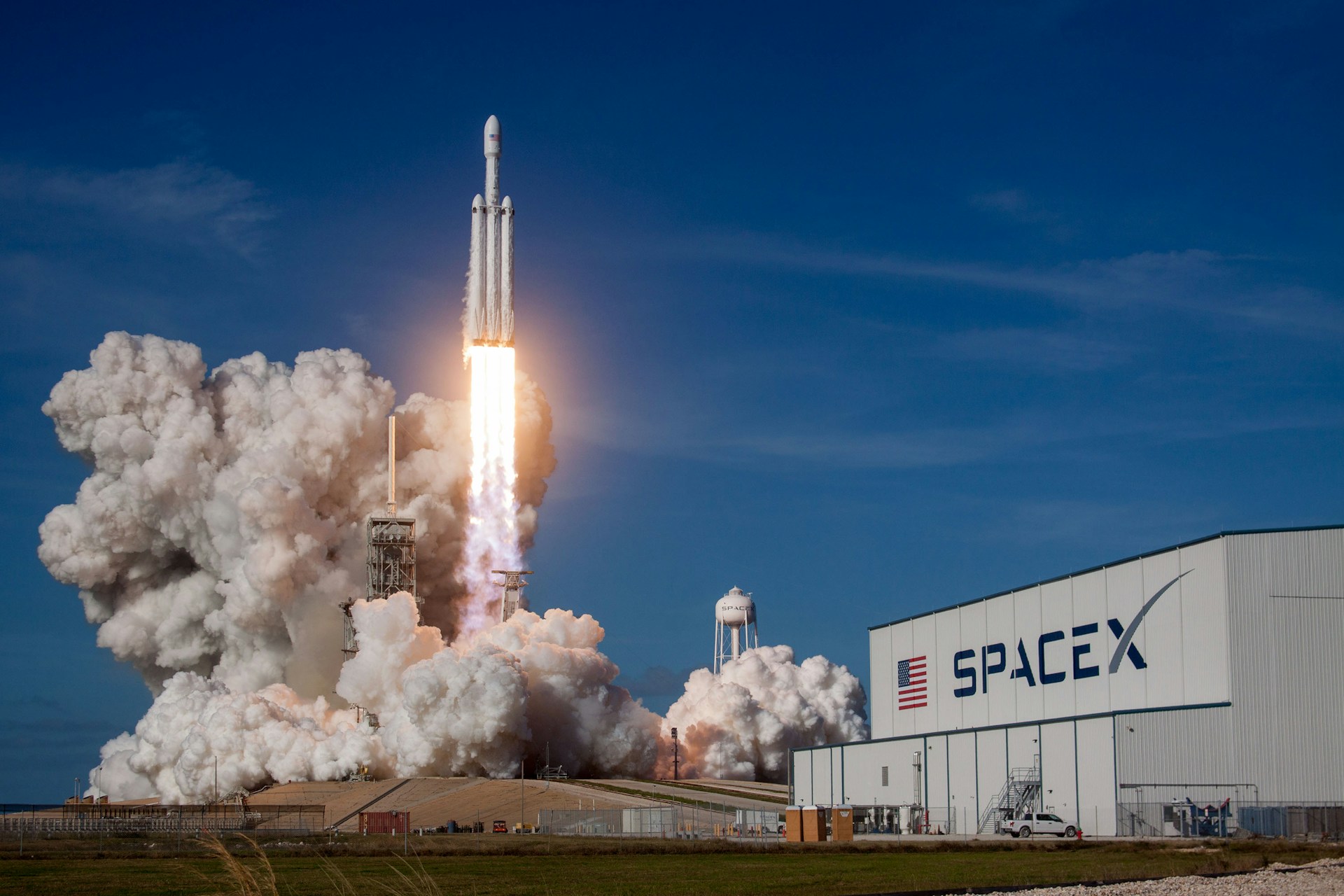
SpaceX’s planned Nasdaq debut places artificial intelligence at the centre of one of the most ambitious technology listings ever attempted. The company filed documents with American regulators on 20 May, setting up a June public offering designed to fund an expansion that reaches beyond rockets, satellites and launch contracts.
The scale of the listing reflects both SpaceX’s dominance in space infrastructure and the cost of its next strategic turn. The company has already transformed commercial rocketry, but its future valuation now depends heavily on an unproven thesis: that space-based infrastructure can become a meaningful foundation for artificial intelligence.
That shift moves SpaceX into a different competitive category. Rather than treating AI as software layered on existing systems, the company is positioning orbital capacity, satellites and advanced computing as part of the same technological stack. The bet is that data centres beyond Earth could help answer rising demand for compute, power and scale, even as the economics and engineering remain uncertain.
For global technology investors, the offering will test how far public markets are willing to price future infrastructure before its commercial model is fully proven. SpaceX carries the advantage of execution credibility, built through repeated launch success and government-linked space work, but AI infrastructure introduces a less settled risk profile than rockets or satellite broadband.
The unresolved question is whether the market is buying a space company with an AI extension, or an AI infrastructure company using space as its frontier. That distinction matters. If the thesis works, SpaceX could redefine where the next layer of computing is built. If it falters, the world’s largest public offering may become a test of how much uncertainty investors will tolerate when technological ambition arrives with Elon Musk’s name attached.