Samsung Electronics plans to double this year the number of its mobile devices equipped with “Galaxy AI” features largely powered by Google’s Gemini artificial intelligence, signalling a substantial shift in the consumer tech landscape and underscoring the increasing centrality of AI in global device ecosystems.
In an interview with Reuters, Samsung’s co-chief executive T. M. Roh said the company aims to expand the installed base of Galaxy AI-enabled phones and tablets from about 400 million units to 800 million in 2026. The accelerated roll-out of AI functionality across its mobile portfolio, and potentially other product lines, is part of a broader strategy to embed artificial intelligence into core user experiences and counter competitive pressure from Apple and Chinese manufacturers.
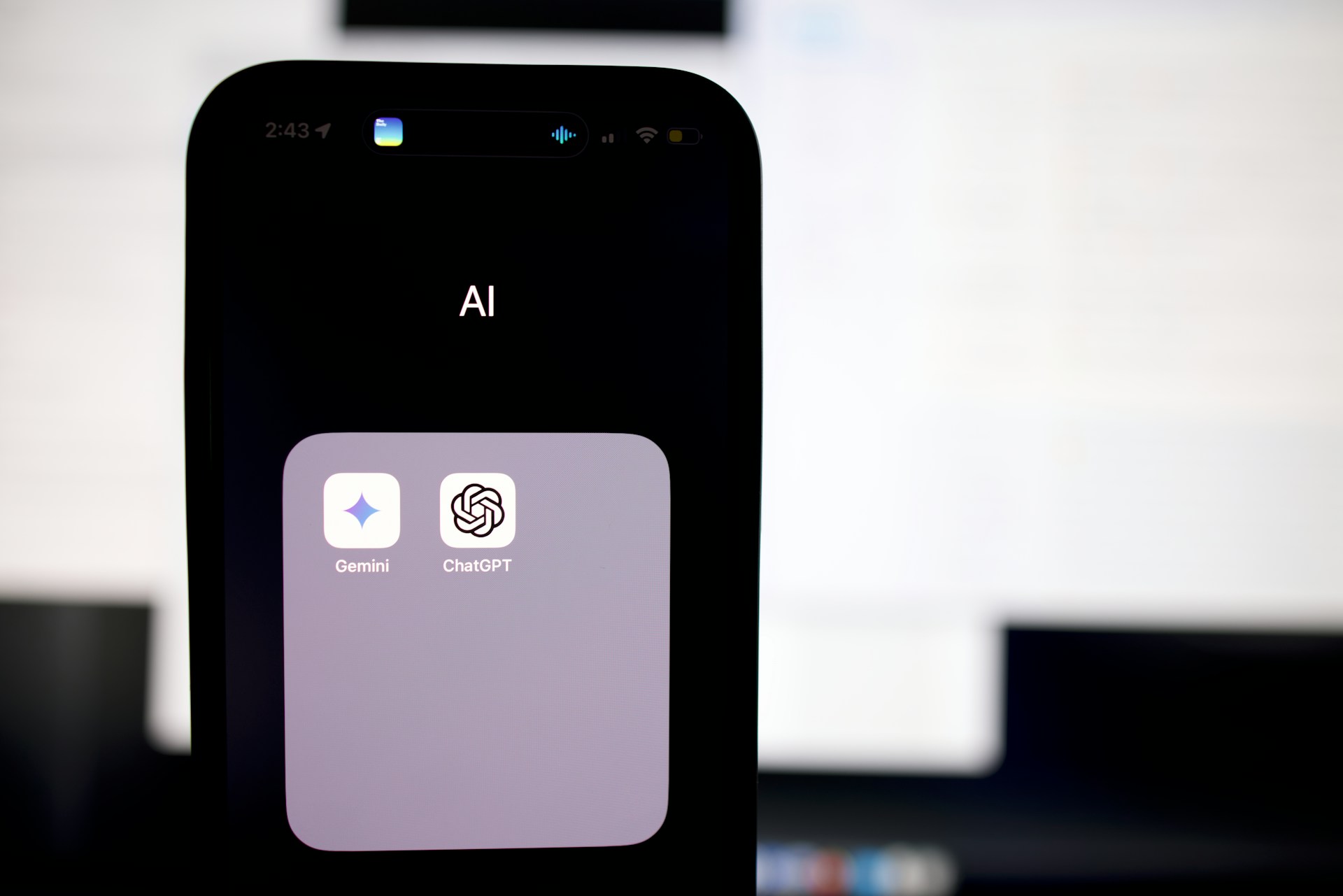
The planned surge in AI-enabled devices reflects Samsung’s confidence in the appeal of generative and assistive AI functions that span search, translation, image editing, productivity and other features. By leaning on Google’s Gemini model, Samsung is not only intensifying its partnership with the U.S. tech giant, but also helping to broaden Gemini’s footprint in the smartphone market amid an intensifying battle with rival AI platforms, including OpenAI’s offerings.
Industry observers note that the rapid integration of advanced AI into mainstream mobile products is reshaping expectations for next-generation hardware, driving demand for enhanced processing power and data-centric experiences. Samsung’s plans also come at a time when the global smartphone market is experiencing headwinds such as memory chip shortages and slowing unit sales, prompting manufacturers to differentiate through software-led innovation rather than hardware upgrades alone.