
Tesla Cybercab Launch Meets Europe’s Test
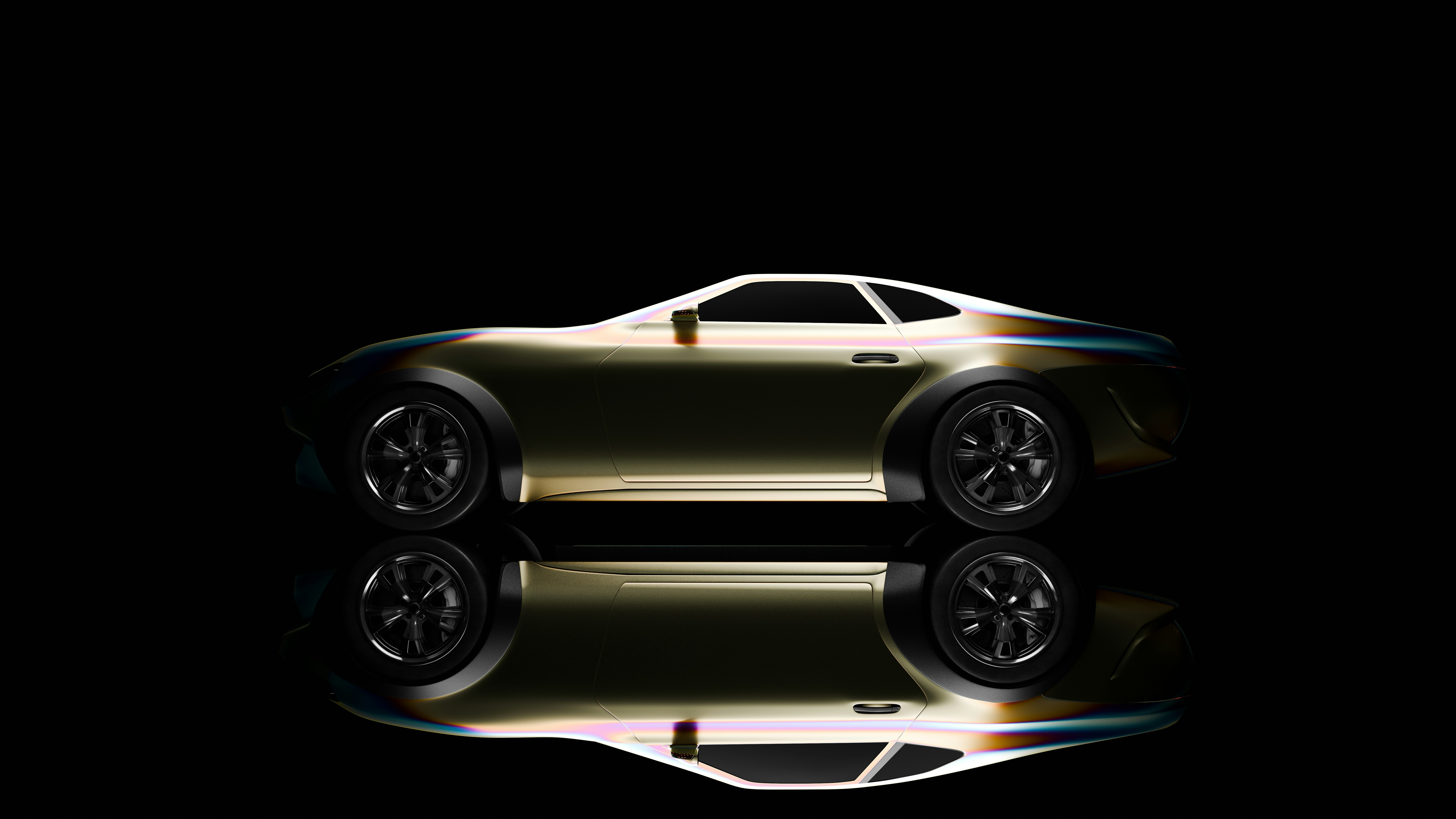
Tesla is bringing its autonomous-driving ambitions closer to commercial reality, but the road ahead is splitting sharply between product launch and regulatory approval. The company is unveiling its purpose-built Cybercab in Austin, Texas, as France begins on-road testing of Tesla’s Full Self-Driving software, putting both hardware and software under fresh scrutiny.
Cybercab is a two-seat robotaxi designed without a steering wheel or pedals, a format that makes regulatory clearance central to its future. Tesla says production began in April, yet its fleet remains small. Reuters reported 45 Cybercabs registered in Texas by early September, compared with 988 autonomous vehicles operated there by Alphabet-owned Waymo.
The competitive pitch is cost. TradingKey estimates Cybercab could be produced for roughly $23,000 to $25,000, potentially giving Tesla an advantage over rivals that rely on more expensive sensor suites. That economics only works, however, if Tesla can prove its camera-led system is safe enough to scale.
Europe is becoming a critical test. France has started trials using two specially equipped vehicles after the Netherlands granted provisional approval to supervised FSD in April. Belgium, Denmark, Estonia and Lithuania have followed, with a wider European Union vote possible later this year. Tesla says its supervised system recorded fewer collisions than manually driven Teslas across more than 100 million kilometres of European testing, although regulators are still examining the evidence.
For Tesla, Cybercab is no longer simply a futuristic showcase. It is a test of whether software, regulation and fleet economics can converge quickly enough to turn autonomy into a scalable business. Austin demonstrates the product. Europe will help decide whether the model can travel.