
US Expands Air Taxi Test Programme
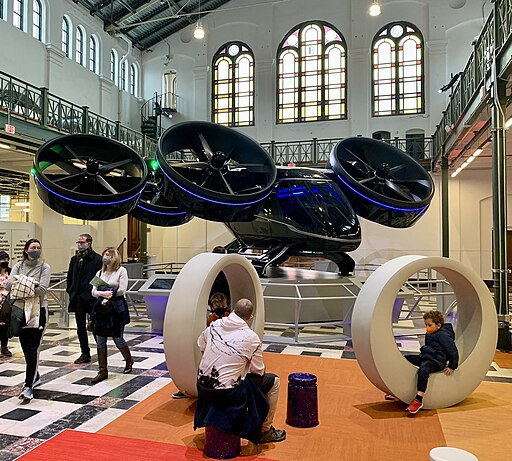
US regulators have approved a nationwide pilot programme to accelerate testing of electric air taxis and next-generation aircraft, marking a significant step towards integrating advanced air mobility into commercial transportation networks.
The Federal Aviation Administration has authorised eight pilot projects across 26 states that will allow companies including Archer Aviation, Beta Technologies, Joby Aviation and Wisk to conduct expanded electric aircraft trials as early as this summer. The initiative forms part of a three-year programme designed to support the development of electric vertical take-off and landing aircraft for urban transport, cargo logistics and emergency services.
Officials say the programme will provide operational data and regulatory insight needed to integrate electric aircraft safely into the national airspace system. The initiative was launched through a presidential executive order aimed at accelerating the commercial development of advanced air mobility technologies and ensuring US companies remain competitive in the emerging sector.
Electric vertical take-off aircraft, commonly known as eVTOLs, are designed to operate as short-distance air taxis or regional aircraft capable of vertical lift and quiet electric propulsion. Many companies developing the aircraft have attracted significant investor funding but still face lengthy regulatory certification processes before commercial deployment.
Under the new pilot framework, selected companies will be permitted to conduct expanded operational testing even before full certification is completed. Supporters say this could shorten development timelines and help companies refine operational models for passenger transport, cargo delivery and regional air networks.
Several pilot projects involve partnerships with local and state governments. In the New York region, the Port Authority of New York and New Jersey will work with multiple aircraft developers to test operations from urban heliports. In Texas, regional flight corridors linking cities such as Dallas, Austin and San Antonio will be evaluated.
Other projects will examine applications including medical transport, cargo delivery and autonomous flight systems. By expanding testing across diverse geographies and operational conditions, regulators aim to gather data that will shape safety standards for future commercial air taxi services.